Structural Drying & Dehumidification in Concord, NC
About 7,689 Concord homes predate 1960 and many more date from the 1990s and 2000s, so no two plans match. The drying team treats the whole structure and proves it dry with readings.
(888) 578-4720Want the framing measured? Call now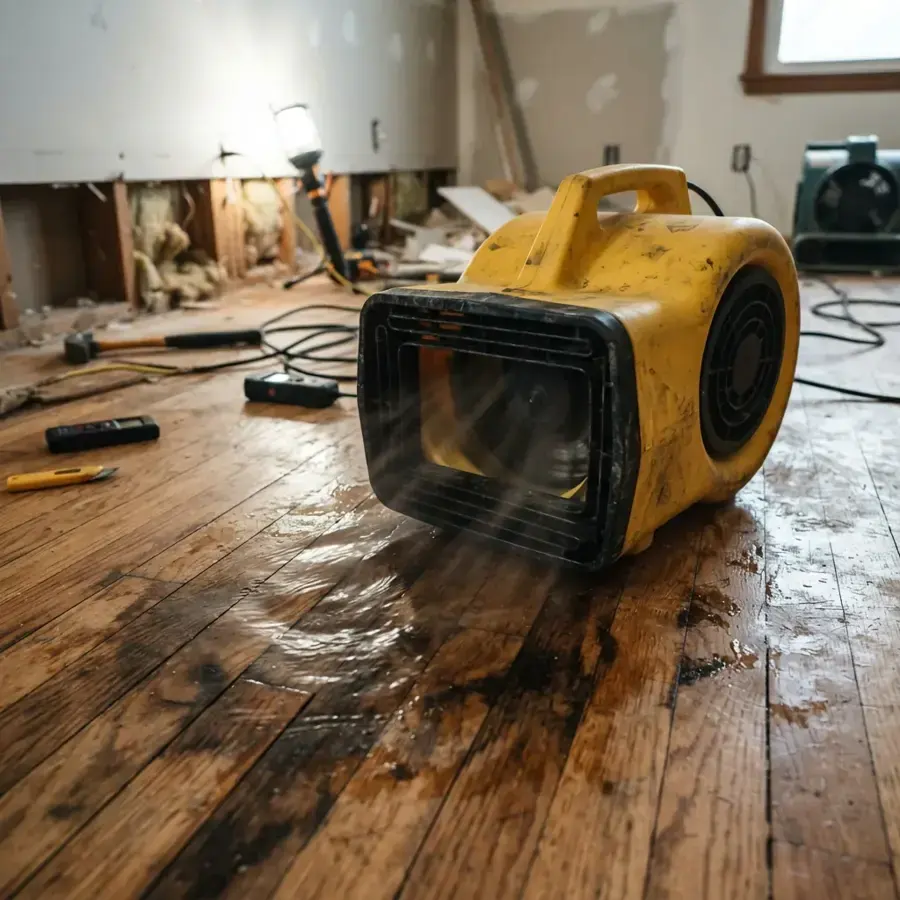
What to do the moment you find structural drying
- Get the pool out
Pull what stands on the floor before any drying gear goes down.
- Shut out humid air
Keep windows closed on muggy days so the dehumidifier is not fighting the weather.
- Leave the machines on
Switching them off early leaves framing wet.
- Ask for the numbers
Meter readings show whether the structure is truly dry.
How structural drying is handled in Concord
A plan, not a fan
The tech sets equipment by the class of the loss and the materials, rather than putting a fan in every room and hoping.
Cavities included
Wall and floor cavities are dried through vents or small openings, so framing is not left wet behind clean-looking finishes.
Adjusted every visit
Equipment is moved, added or removed as the readings change, so nothing runs longer than it has to.
Dry is a number
The finish is defined by meter readings against dry reference material, with every reading on file for the claim.
What does structural drying and dehumidification cost in Concord, NC?
Count on $1,000 to $6,000 for structural drying in Concord, NC. The loss class, the rooms involved, the materials (hardwood and concrete run longer) and the days the equipment stays decide it.
A handful of air movers, one dehumidifier, logged visits
$1,000 to $2,500Added equipment, cavity drying, daily checks
$2,500 to $4,500Desiccant gear, drying mats, extended monitoring
$4,500 to $6,000+Every loss is priced on its own scope. Run the numbers in the water damage cost calculator for a planning range.
The structural drying and dehumidification process, start to dry
- 1
Find and classify
Meters and a thermal camera locate the wet areas and set the loss class.
- 2
Set the gear
Air movers go where moisture is, dehumidifiers go where the air is wet and desiccant units back them up on dense material.
- 3
Check every visit
Each visit logs readings and shifts equipment as materials dry.
- 4
Close at the goal
The job ends when every material reads like dry reference material.
Water travels into framing, subfloor and wall cavities, and a floor that looks dry can still hold plenty of it. About 17.2% of Concord housing units, or 7,689, were built before 1960, while the median home dates from 1999, so a drying plan has to fit older materials in one house and newer ones in the next.
Setting the plan
S500 sorts a loss into classes by how much material got wet and how readily it gives up water, and the equipment follows from that. A thermal camera and meters find the wet areas, then air movers and dehumidifiers are sized to each room, with the plan adjusted at every visit as the readings change. Heavy materials such as hardwood and concrete get desiccant units.
How materials differ
- Drywall releases water quickly and is often dried where it hangs
- Hardwood is slower, so mats and sometimes desiccant units are brought in
- Plaster and older finishes are dense, so readings set how long they stay
- A concrete slab dries slowly and is tracked by meter, not by look
- Framing dries as air is pushed through opened cavities
Floor feels dry after a big loss? Keep the equipment running and ask for readings from the framing and subfloor.
Why the logs matter
Readings recorded each visit show where the loss started, how it dried and when it reached the goal. Adjusters lean on that record, and it also tells the crew when equipment can leave. For a pump-out first, see water extraction, and the Concord water damage restoration page covers the rest.
Structural Drying and Dehumidification across Concord, NC
Crews work across Concord in ZIP codes 28025, 28026 and 28027, from Historic Downtown Concord and Afton Village out to Moss Creek, Kings Crossing and Arbor Oaks, and water damage restoration in Huntersville is linked to the city by NC 73.
Related water damage services in Concord
Structural Drying and Dehumidification questions in Concord, answered
What exactly is S500?
It is the published standard for professional water damage restoration, covering inspection, categories and classes, extraction, drying and documentation.
What separates Class 1 from Class 4?
Class 1 is a small area with little moisture, while Class 4 involves dense materials such as hardwood and concrete that hold water deeply and release it slowly.
Do household fans do the same job?
No. Fans move air but do not pull humidity out of it or reach wet cavities. A dehumidifier and measured placement dry far more reliably.
How is the dryness of a wall judged?
With meters that read moisture in drywall, wood and concrete, compared against dry reference material taken from the same home.
Will an old hardwood floor survive?
Often, with drying mats and patience. Boards that cup, crack or buckle badly may still need replacing once the readings are in.
How long will the equipment stay?
As long as the readings say it should. The materials and how wet they got decide it, not a set number of days.
Structural Drying and Dehumidification in Concord? Call now.
Standing water keeps wicking into drywall, subfloor and framing until it is pulled out. The restoration crew serving Concord extracts it, dries the structure to the IICRC S500 standard and records every reading for the claim.
(888) 578-4720Get a Concord drying crew movingHuntersville Water Damage Restoration
Concord, NC
Dispatch open every hour, every day of the year
Find us on Google