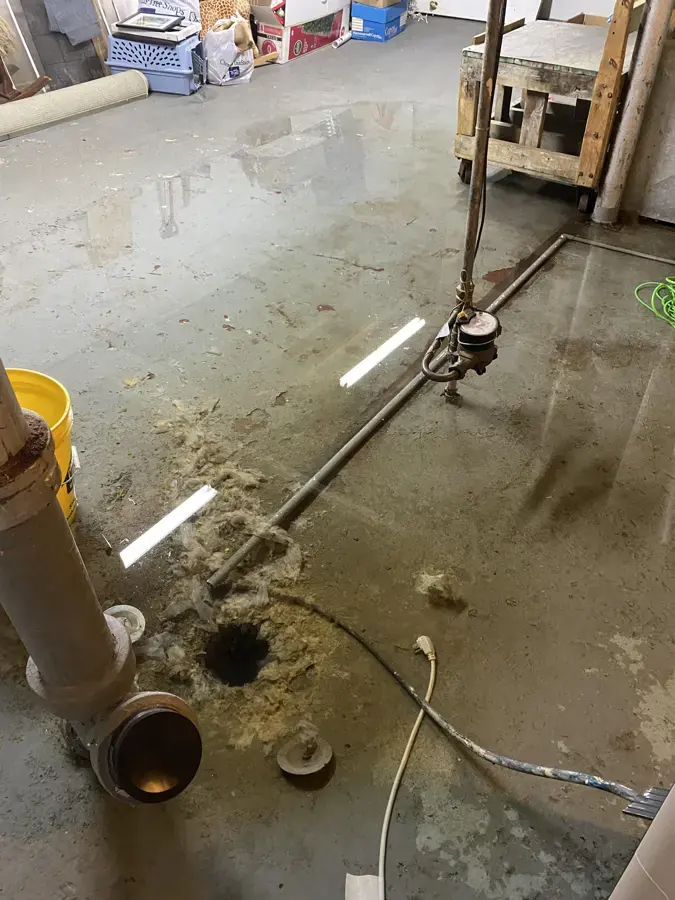
In 2023, two sewage spills were reported in Cornelius within a month of each other. Neither one was a backup inside a home, but both raise the same practical question: what happens when sewage ends up where it should not be?
Key takeaways
- On June 11, 2023, about 8,000 gallons of sewage spilled from a blocked sewer pipe into a Lake Norman cove near Nautique Boulevard.
- On July 5, 2023, about 875 gallons spilled from a broken pipe near Jetton Park.
- A public sewer spill and a backup inside a house are different events, but both involve contaminated Category 3 water.
- Charlotte Water takes leak and sewer spill reports around the clock, and indoor cleanup is a separate restoration job.
- Indoor sewage cleanup removes the water, discards porous materials and treats the area with antimicrobial products.
What happened in Cornelius in 2023
Charlotte Water provides water and wastewater service to Cornelius. Two spills from the sewer system were reported that summer.
The first, on June 11, 2023, was about 8,000 gallons of sewage from a blocked sewer pipe. It spilled into a Lake Norman cove near Nautique Boulevard.
The second came on July 5, 2023, when about 875 gallons spilled from a broken pipe near Jetton Park.
- June 11, 2023: about 8,000 gallons, blocked sewer pipe, Lake Norman cove near Nautique Boulevard.
- July 5, 2023: about 875 gallons, broken pipe, near Jetton Park.
A public spill is not the same as a home backup
Both spills happened outdoors, in the public system. A sewage backup in a house is a different event, but the cause can look similar: a blockage or a break in a pipe.
When a pipe is blocked, wastewater takes the path of least resistance. In a public pipe that can be a manhole or a cove.
In a house it can be the lowest drain, such as a shower, a floor drain or a toilet.
Where public reports go
Charlotte Water takes leak and sewer spill reports around the clock. A spill in a street, a yard or near the water should be reported to the utility so the crew can respond.
What the utility does not clean
A utility works on the public system. Cleanup inside a house or business, including the floors, walls and contents, is a separate job for a restoration team.
Where Cornelius wastewater goes
Wastewater from Cornelius, Huntersville and parts of Davidson is treated at the McDowell Wastewater Treatment Plant. The plant discharges treated water to McDowell Creek, which flows to Mountain Island Lake.
Cornelius also drains toward two different places. The western side drains directly to Lake Norman, and the eastern side drains toward the Rocky River.
That matters when water rises, because a flooded or blocked system has more than one place to push out.
Signs of a sewage backup in a house
A backup often starts slowly. The warning signs show up before the water does.
- Several drains run slowly at once, not just one sink.
- Gurgling in a toilet or shower when another fixture drains.
- A sewage smell near a floor drain or the lowest bathroom.
- Dirty water rising in a tub, shower or floor drain.
What to do right away
Sewage is not clean water, and it should not be handled with bare hands or cleaned up with a household mop. Contact with it can make people sick.
- Stop using water in the house so nothing else drains into the backup.
- Keep children and pets out of the affected rooms.
- Turn off the power to the area if water has reached outlets, and do not stand in the water.
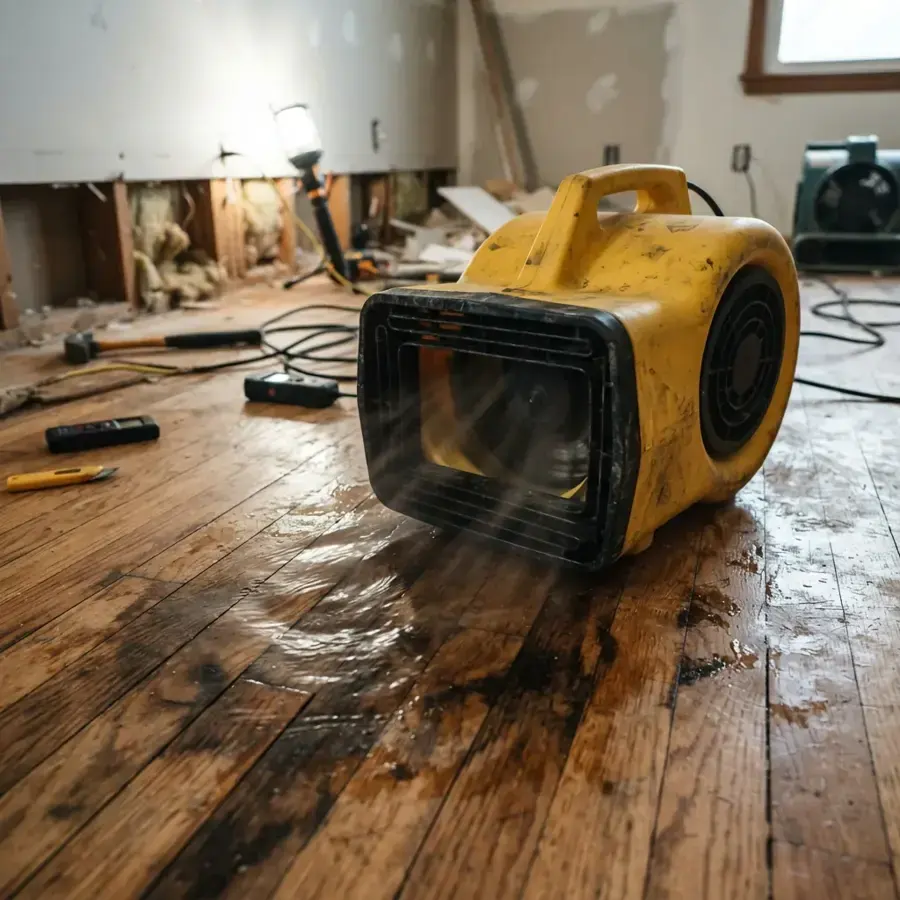
- Do not run fans or the heating and cooling system, which can spread contamination.
- Photograph the damage and call a restoration team for sewage backup cleanup.
Lake Norman and the bigger picture
Lake Norman was created between 1959 and 1964 by Duke Energy with Cowans Ford Dam. It is the largest man made freshwater lake entirely within North Carolina, and much of Cornelius sits on its edge.
When a spill reaches a cove, it reaches a lake that people use for boating and swimming. That is one reason utilities treat spills seriously and report them publicly.
For a homeowner, the lesson is simpler. Anything that carries wastewater, from a house drain to a public pipe, can block or break, and the result is contaminated water in the wrong place.
- Know where the lowest drain in the house is, since that is where a backup shows up first.
- Keep grease, wipes and other items that cause blockages out of the drain.
- Note the date and extent of any sewage smell so the cause can be traced.
How indoor sewage cleanup is handled
The restoration team treats sewage as Category 3 water, which is the most contaminated level in the IICRC water categories. That sets how the work is done.
A sewage backup cleanup starts with containment and protective gear, followed by removal of the water. A crew using water extraction equipment removes the liquid before anything else is touched.
- Containment: the work area is sealed off so contamination does not spread to clean rooms.
- Extraction: standing sewage and wastewater are removed.
- Removal: carpet, pad, drywall and insulation that soaked up the water are discarded, because porous materials cannot be made safe.
- Treatment: hard surfaces are cleaned and treated with antimicrobial products.
- Drying: air movers and dehumidifiers dry the structure until readings are back to normal.
Questions to ask before cleanup starts
Not every crew handles sewage the same way. A few questions help a homeowner understand the plan before work begins.
- Will the area be contained and the water treated as Category 3 from the start?
- Which materials will be removed, and which can be cleaned and kept?
- How will moisture readings show that the drying is finished?
- What will be documented for the insurance claim?
Why porous materials go
Carpet, pad, drywall and insulation absorb contaminated water, and cleaning the surface does not reach what soaked in. Removing them is the safest way to return a space to normal.
Hard surfaces such as tile, concrete and sealed wood can often be cleaned and kept, depending on how long the water sat.
After the cleanup
A sewage backup in Cornelius is a local event, and the cleanup should be documented as one. Photographs, a list of discarded materials and moisture readings all support an insurance claim.
The cause of the backup, such as a blocked pipe or a break, is a separate matter for a plumber and the utility. The Cornelius hub lists the other water damage services available in town.